

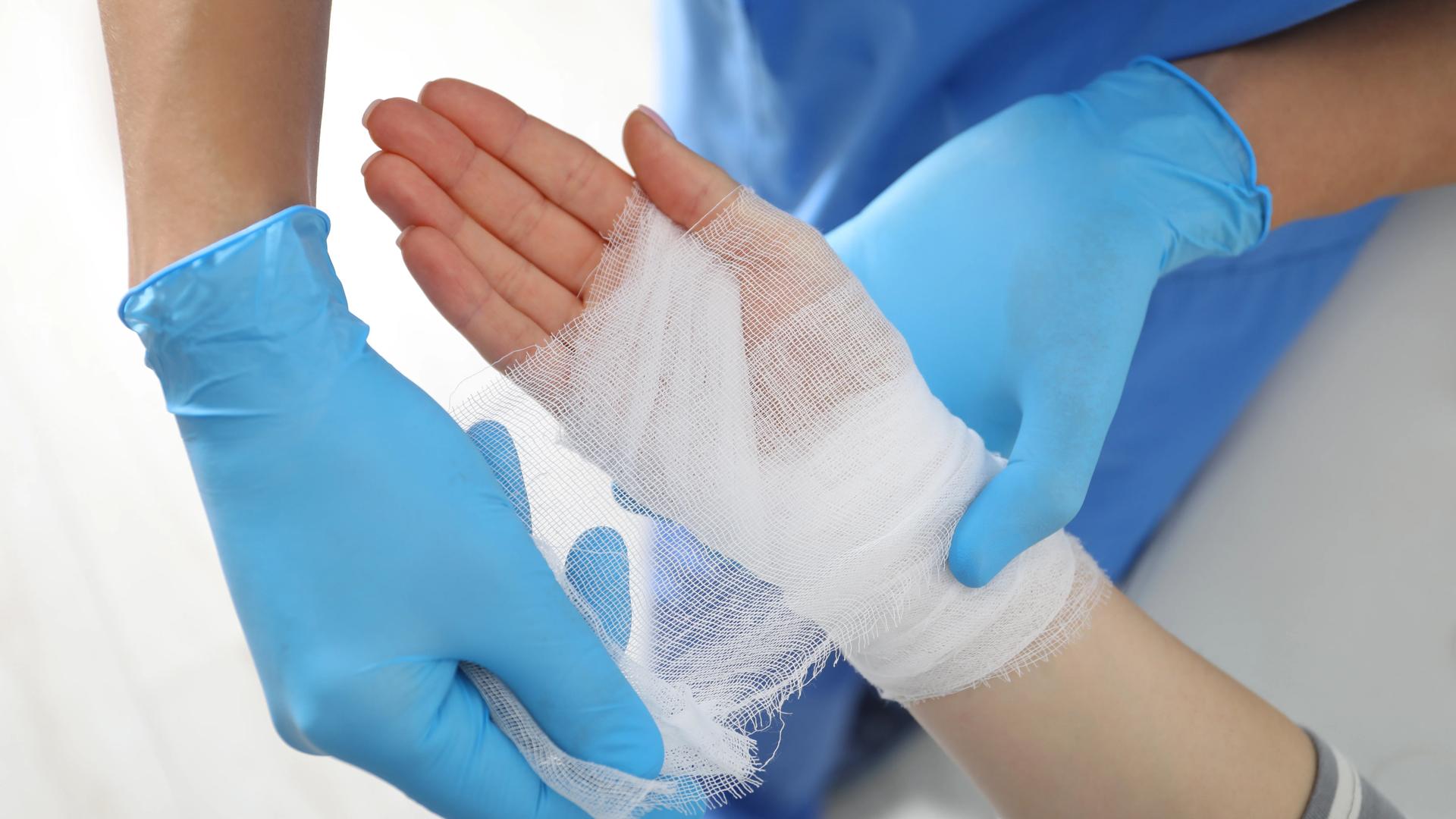
Accurate wound care coding is the foundation of proper reimbursement, regulatory compliance, and long-term practice viability.
Accurate wound care coding is not optional. It is the foundation of proper reimbursement, regulatory compliance, and long-term practice viability. Yet coding errors remain one of the most persistent revenue drains in wound care, costing practices thousands of dollars annually through denied claims, downcoded reimbursements, and audit recoupments.
The challenge is understandable. Wound care CPT codes span multiple categories — active wound care management, surgical debridement, negative pressure wound therapy, and evaluation and management — each with distinct documentation requirements, modifier rules, and payer-specific nuances.
This guide covers every essential wound care CPT code updated for 2026 guidelines, including documentation requirements, common wound care billing codes mistakes, and practical wound care coding tips.
At V3 Biomedical, we have spent over a decade helping wound care practices get coding right the first time. Our platform's built-in compliance tools and documentation workflows are designed specifically for the coding challenges outlined in this guide.
Selecting the wrong wound care CPT code, omitting a modifier, or failing to document a wound measurement can mean the difference between full reimbursement and a denied claim.
Understanding Wound Care CPT Code Categories
Wound care CPT codes are organized into distinct categories based on the type of service provided, the depth of tissue involvement, and whether the service is therapeutic or evaluative.
The two broadest distinctions are between Evaluation and Management (E/M) codes and procedure codes. E/M codes capture the cognitive work of assessing a patient, reviewing history, and developing a treatment plan. Procedure codes capture the hands-on clinical work.
Within procedure codes, wound care is further divided into active wound care management and surgical wound care. Active wound care management codes (97597, 97598, 97602) are typically used for selective and non-selective debridement. Surgical wound care codes (11042-11047) are used when debridement reaches deeper tissue layers.
Active Wound Care Management Codes
CPT 97597 — Debridement, Open Wound (First 20 sq cm)
Selective debridement of the first 20 sq cm. Documentation must include wound size (L x W x D), tissue type, method of debridement, clinical rationale, and description of tissue removed. Medicare reimbursement typically ranges from $60 to $100.
CPT 97598 — Each Additional 20 sq cm
Add-on code to 97597. Can never be billed without 97597. Covers each additional 20 sq cm of selective debridement beyond the first.
CPT 97602 — Non-Selective Wound Debridement
Covers wet-to-moist dressings, enzymatic debridement, and autolytic debridement. Key distinction: if the clinician actively chose which tissue to remove, use 97597. If a non-selective mechanism was applied, use 97602.
Surgical Wound Debridement Codes
CPT 11042 — Subcutaneous Tissue
Sharp debridement to the subcutaneous layer. First 20 sq cm. Must document tissue depth explicitly or payers will downcode. Include wound measurements, instrument used, and tissue description.
CPT 11043 — Muscle and/or Fascia
Deeper than subcutaneous. Higher reimbursement reflects greater clinical complexity. Documentation must explicitly state that muscle or fascia was encountered and debrided.
CPT 11044 — Bone
Deepest level of debridement. Subject to heightened payer scrutiny. Documentation must describe bone exposure, bone condition, and the specific method of debridement performed.
Add-On Codes: 11045, 11046, 11047
11045 is the add-on to 11042, 11046 is the add-on to 11043, and 11047 is the add-on to 11044 — each covering an additional 20 sq cm of debridement at the respective tissue depth.
Negative Pressure Wound Therapy (NPWT) Codes
CPT 97605
NPWT for wounds 50 sq cm or less. Billed per session. Document wound dimensions, device type, dressing changes, and clinical rationale for NPWT.
CPT 97606
NPWT for wounds greater than 50 sq cm. Same documentation requirements as 97605. Ensure wound measurement supports the size threshold.
CPT 97607
Disposable NPWT device, wound 50 sq cm or less. Key difference from 97605 is the device type — disposable versus durable medical equipment.
CPT 97608
Disposable NPWT device, wound greater than 50 sq cm. Same distinction as 97607 — disposable device for larger wound areas.
Evaluation and Management (E/M) Codes for Wound Care
CPT 99213 — Established Patient, Low Complexity
The most commonly billed wound care E/M code. Used for established patient visits with straightforward medical decision-making. Can be billed alongside procedure codes using modifier 25.
CPT 99214 — Established Patient, Moderate Complexity
Used for patients with multiple wounds, complex treatment planning, or comorbidities that increase medical decision-making complexity. Higher reimbursement than 99213.
Modifier 25 — Significant, Separately Identifiable E/M Service
Allows billing an E/M code on the same day as a procedure code. One of the most common audit triggers in wound care. Documentation must clearly demonstrate a distinct E/M service separate from the procedural work.
Wound Care CPT Code Quick Reference Table
| CPT Code | Description | Typical Use | Key Documentation |
|---|---|---|---|
| 97597 | Selective debridement, first 20 sq cm | Active wound care debridement | Wound size, tissue type, method |
| 97598 | Selective debridement, each add'l 20 sq cm | Add-on to 97597 | Total wound area documented |
| 97602 | Non-selective debridement | Wet-to-moist, enzymatic, autolytic | Method, wound description |
| 11042 | Debridement to subcutaneous, first 20 sq cm | Surgical debridement | Depth, tissue type, instrument |
| 11043 | Debridement to muscle/fascia, first 20 sq cm | Deep surgical debridement | Muscle/fascia encountered |
| 11044 | Debridement to bone, first 20 sq cm | Bone-level debridement | Bone exposure, condition, method |
| 11045 | Each add'l 20 sq cm (subcutaneous) | Add-on to 11042 | Total wound area |
| 11046 | Each add'l 20 sq cm (muscle/fascia) | Add-on to 11043 | Total wound area |
| 11047 | Each add'l 20 sq cm (bone) | Add-on to 11044 | Total wound area |
| 97605 | NPWT, wound ≤50 sq cm | Durable NPWT device | Dimensions, device, rationale |
| 97606 | NPWT, wound >50 sq cm | Durable NPWT device | Dimensions, device, rationale |
| 97607 | Disposable NPWT, wound ≤50 sq cm | Disposable NPWT device | Device type, dimensions |
| 97608 | Disposable NPWT, wound >50 sq cm | Disposable NPWT device | Device type, dimensions |
| 99213 | E/M, established patient, low complexity | Routine wound care visits | History, exam, MDM |
| 99214 | E/M, established patient, moderate complexity | Complex wound care visits | History, exam, MDM, comorbidities |
5 Common Wound Care Coding Mistakes
1
Billing 97597 When 97602 Is Appropriate
Upcoding selective debridement when a non-selective method was actually performed. If the clinician did not actively choose which tissue to remove, 97602 is the correct code. This is a common audit finding.
2
Missing Modifier 25 When Billing E/M with Procedure Codes
Failing to append modifier 25 when billing an E/M service on the same day as a procedure results in automatic denials. The E/M must be a separately identifiable service with distinct documentation.
3
Failing to Document Wound Measurements at Every Visit
Length, width, and depth must be recorded at every encounter. Missing measurements undermine the clinical rationale for debridement codes and are a top reason for claim denials.
4
Upcoding Debridement Depth Without Supporting Documentation
Billing 11043 or 11044 without explicitly documenting that muscle, fascia, or bone was encountered and debrided. Payers will downcode to 11042 without clear depth documentation.
5
Not Using Add-On Codes for Wounds Greater Than 20 sq cm
Many practices leave revenue on the table by not billing add-on codes (97598, 11045, 11046, 11047) when wound area exceeds the initial 20 sq cm threshold. Always calculate total wound area and bill accordingly.
V3 Biomedical's platform includes built-in compliance tools that flag common coding errors before claims are submitted.
Documentation Requirements for Wound Care Coding
Proper documentation is the single most important factor in wound care coding success. Without it, even correctly selected codes will be denied or downcoded. Every wound care encounter must capture the following elements:
Wound Measurements
Length, width, and depth recorded in centimeters at every visit. Include undermining and tunneling if present.
Tissue Type and Wound Bed Description
Describe the wound bed tissue: granulation, slough, eschar, necrotic tissue. Specify percentage of each tissue type when applicable.
Treatment Rendered and Clinical Rationale
Document exactly what was done and why. Include instruments used, debridement method, dressings applied, and the clinical reasoning behind each decision.
Progress Notes
Compare current wound status to previous visits. Document whether the wound is improving, stable, or deteriorating and explain changes to the treatment plan.
Photographs
Clinical photographs with a ruler or measurement reference provide objective evidence supporting wound measurements and tissue descriptions. Many payers now expect photographic documentation for higher-level debridement codes.
V3 Biomedical's documentation workflow captures all required fields automatically within a structured template, ensuring every encounter is audit-ready from the start.
Conclusion
Accurate wound care CPT coding is the foundation of practice revenue and compliance protection. From selecting the correct debridement code to documenting wound measurements at every visit, every detail matters for clean claims and full reimbursement.
V3 Biomedical's wound care platform streamlines documentation, coding, and compliance — helping your practice code correctly the first time and protect revenue at every encounter.